
Research Peptides Sydney
Unlocking the Potential of Peptides: Research Highlights from Sydney
Peptides have quickly established themselves as one of the most intriguing areas of scientific discovery in recent times. These small chains of amino acids are used to signal important events in the body and are thus useful tools for scientific investigation. Over the last ten years or so, scientists worldwide have redoubled their efforts to understand the role of peptide-based compounds. Sydney has emerged as a significant hub of scientific discovery and innovation when it comes to peptides. Scientists and scientific organisations have been working to expand the boundaries of peptide-based research. From understanding the nature of molecules to developing complex laboratory-grade compounds, scientists have been working to expand the limits of peptide-based scientific discovery. As interest in the subject grows worldwide, more and more scientists are turning to research peptides in Sydney.
The Growing Importance of Peptide Science
Peptides are very important in the biological world. Due to their smaller size compared to other biological molecules and their high degree of specificity, they have emerged as an important method for scientists to understand complex biological interactions. In the chemical and biological study of peptides, scientists survey how the amino acids influence structure, binding capacity, and molecular signaling.
In Sydney, the research environment is such that it encourages a high level of cooperation among different research groups, including academic institutions, biotechnology, and independent research groups. This is a positive attribute, as researchers are able to share their knowledge and expertise regarding different analytical tools and technologies that have been instrumental in promoting the understanding of peptide activity in biological systems, including research peptides in Sydney.
Another factor that has contributed to the increasing popularity of peptide science is its flexibility. It has been observed that peptide science has been extremely useful in various research endeavors, whether studying enzymes or cell signaling. With such flexibility, we see that peptide science has become an indispensable tool in the study of molecular science.
Advancing Laboratory Innovation
One of the most interesting aspects of peptide research and development is the potential for synthesis and modification with precision. Scientists in research labs are working towards improving synthesis methods to ensure that high-quality research peptides are produced for advanced research endeavors. Enhanced purification and testing tools, we are able to create such compounds to strict scientific standards.
Scientists seek to understand how bioactive peptides interact with various biological receptors, enzymes, and signaling proteins. This helps them understand and learn more about biological communication and how different regulatory processes occur within a cell. By learning more about processes, we not only help them advance and improve academic research but also strengthens the foundation for future breakthroughs.
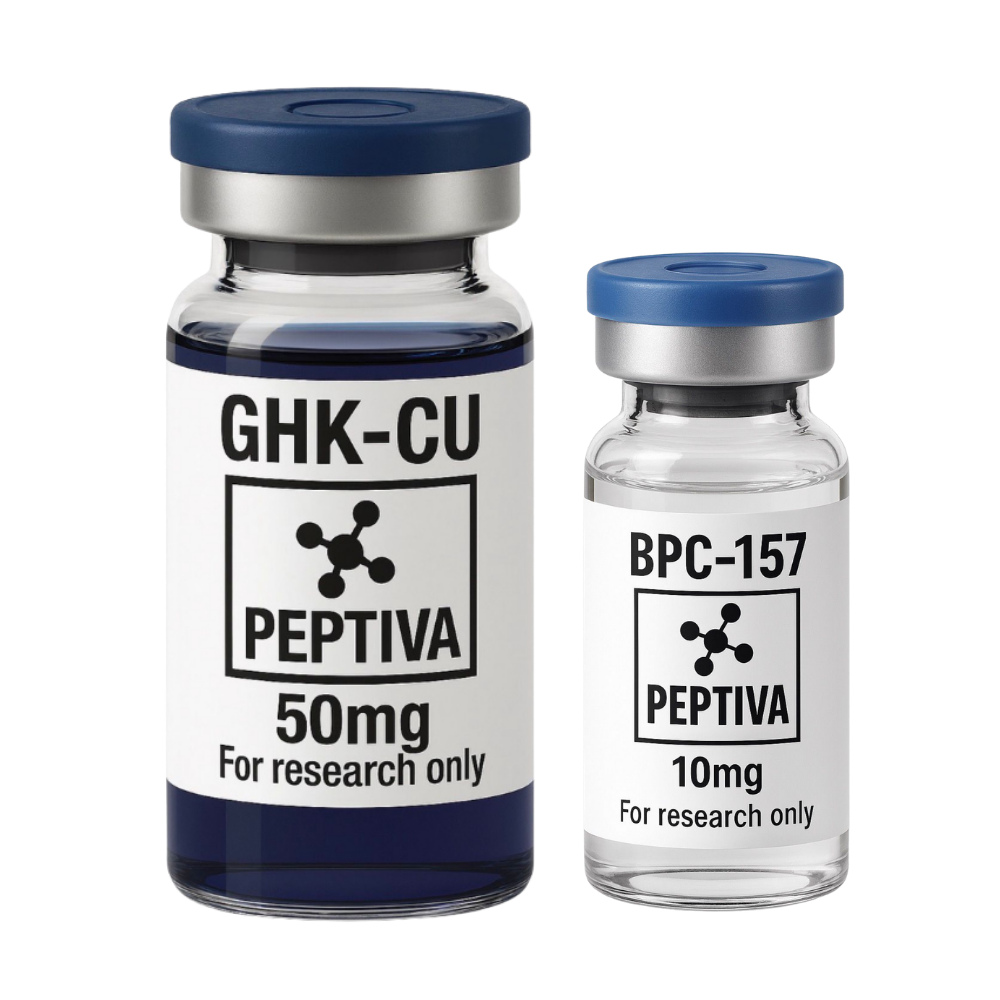
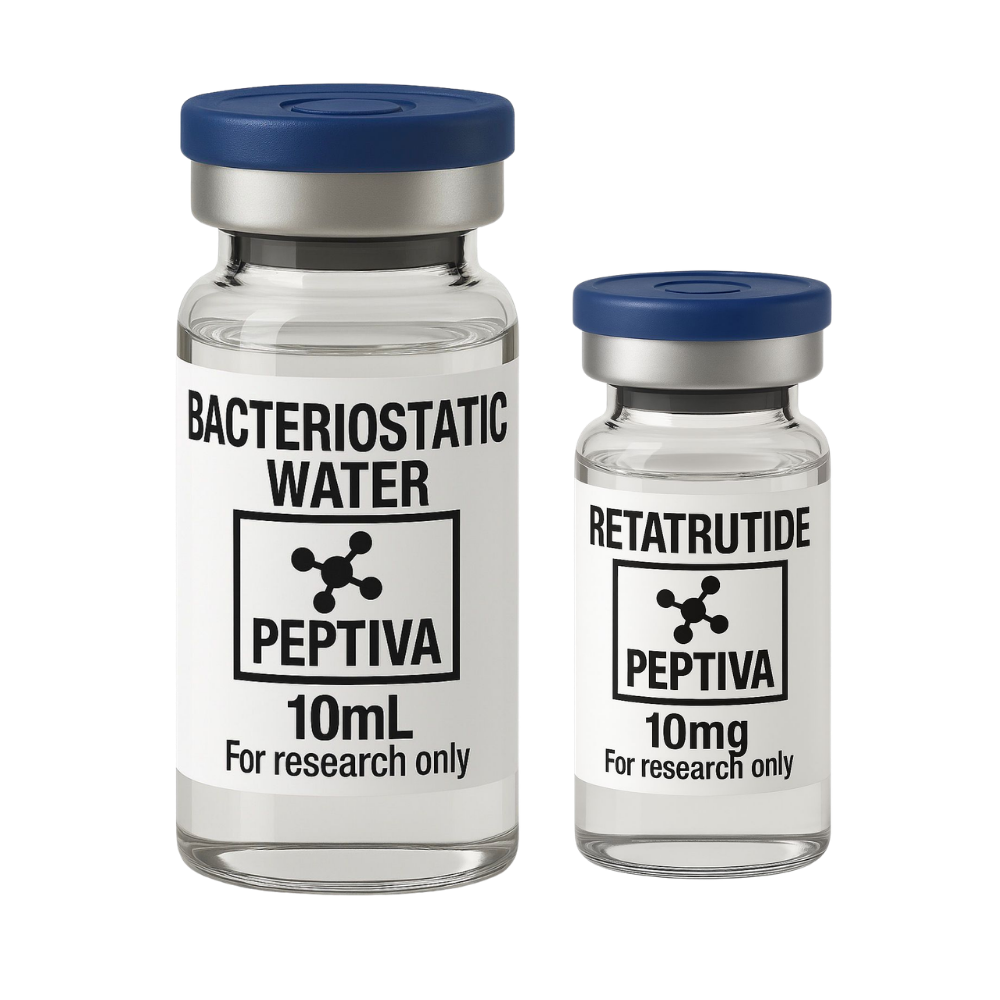
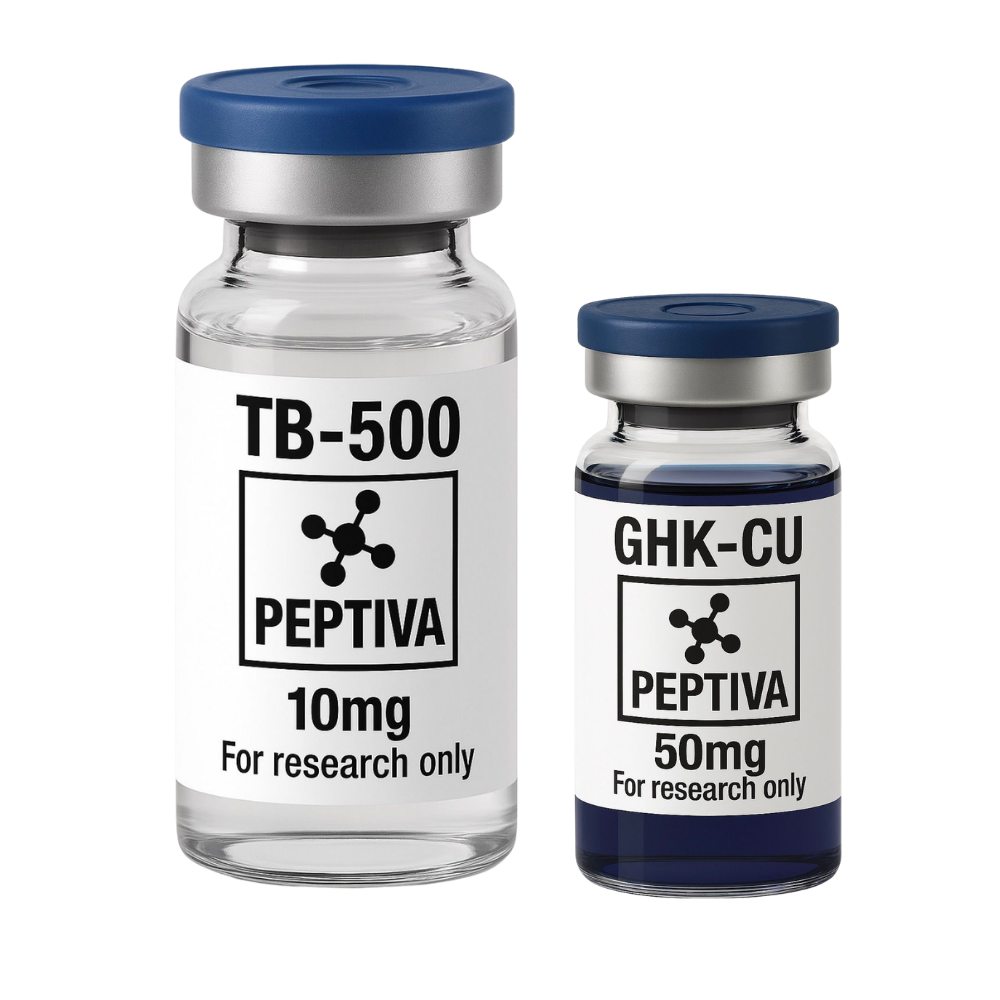
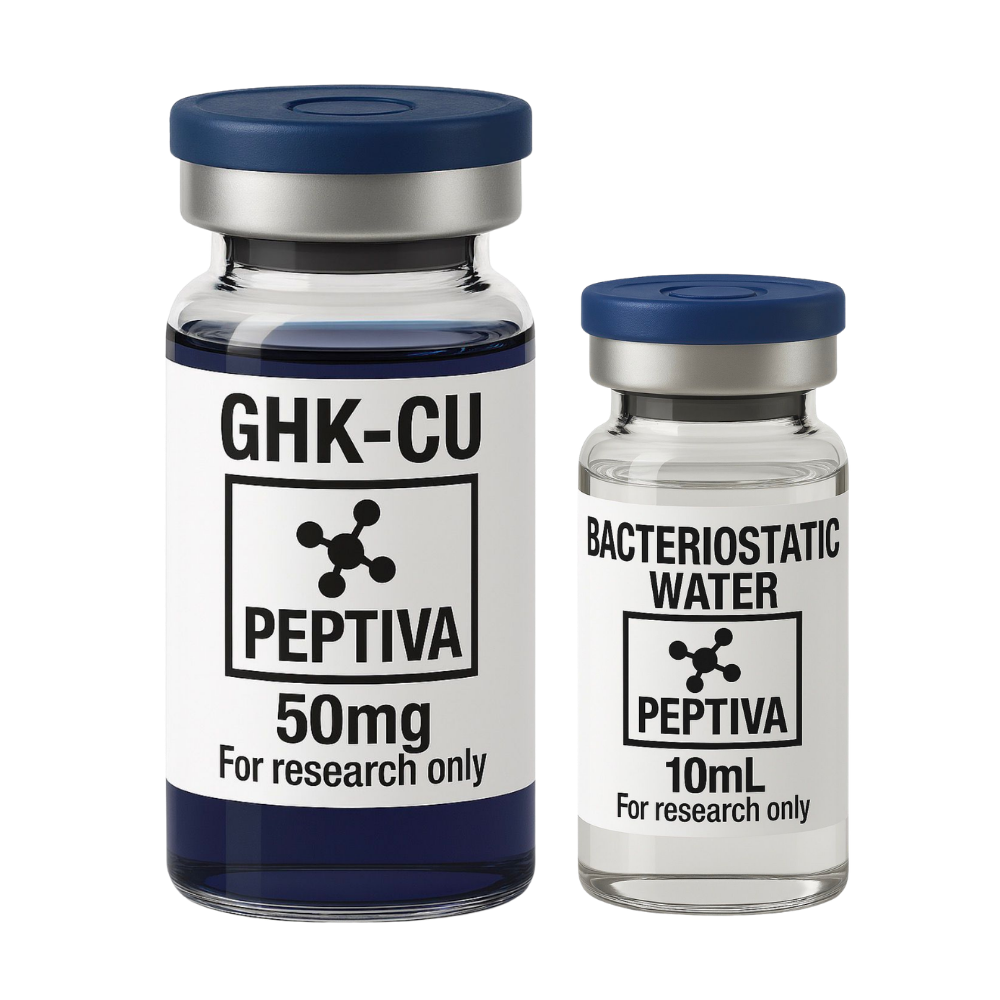
There are different types of research efforts being made to understand the functions of peptides and how they are being delivered and stabilised in the body. Some of the research efforts are done in a laboratory setting, where different types of experimental injectable peptides are being used to learn more about how they function and relate to various types of biological systems. This enables researchers to inspect the movement of the peptides.
The expansion and development of peptide laboratories and research facilities have helped Sydney to become a hub for peptide innovation and development. These research efforts help scientists improve research methodologies and new experimental frameworks. We are committed to advancing peptide research.
Why Sydney Has Become a Research Hub
The scientific environment in Sydney offers many advantages for peptide research. To start, the area has several world-class universities, biotechnology companies, and research facilities. This provides an environment in which cross-disciplinary research thrives.
Another advantage is the availability of financial resources. These resources have been instrumental in the accelerated scientific discoveries. Financial support is usually offered to programs for research peptides in Sydney. This enables scientists to conduct long-term research on the chemistry of peptides. The support enables scientists to explore new techniques for synthesising peptides.
In addition, the international scientific environment in Sydney has attracted several scientists from around the world to engage in research in the area. Several biochemists, pharmacologists, and molecular biologists are working on peptide synthesis and experimental evaluation. This has led to the innovative thinking of creating new peptide structures.
As scientists continue to contribute and improve the process, Sydney’s importance in the world of peptide research continues to grow. This is because scientists in laboratories are making valuable contributions that increase understanding of peptide chemistry and the interactions of molecules with high-quality peptides worldwide.
The Future of Peptide Exploration
The field of peptide science will progress because scientists are creating advanced research tools and experimental techniques. Scientists improve peptide synthesis methods together with computational biology techniques and molecular design methods to create precise research with support from sources such as peptive peptide. Scientists achieve deeper knowledge about natural systems by studying how minor molecular changes influence cellular functions.
In addition, the future of peptide science will likely be influenced by the ways in which scientists are able to collaborate in the field. As chemists, molecular biologists, and other biotechnology specialists continue to network, they are able to engage in research projects that lead to new discoveries in the field of molecules. As the scientific community continues to expand, the world will likely become more interested in research peptides in Sydney.
FAQs
Scientists use research peptides to study biological signaling systems and protein functions, along with other molecular interactions, through their research in the lab.
Scientists use them to study how cells communicate and to discover the impact of amino acid sequences on biological functions.
Peptides of high quality are created through laboratory procedures that require exact synthesis methods and subsequent testing for product integrity.
Their tiny dimensions enable researchers to use them for studying intricate biological interactions.
Sydney serves as a main center for peptide research because of its advanced laboratories, collaborative institutions, and scientific networks.